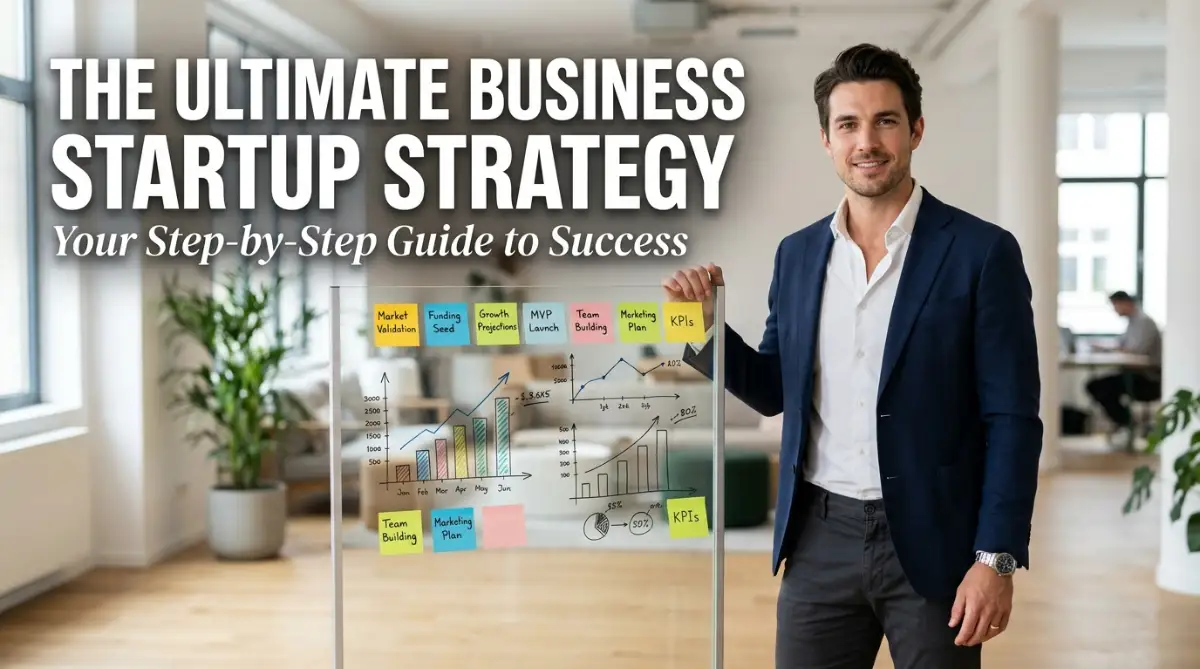
The Hidden Weight of Building Your Own Dream
I remember sitting on my living room floor at 3 AM, surrounded by bills, crying because I hated my day job but was too scared to start my own business. My chest hurt every time I thought about failing and letting my family down. I felt completely trapped between a safe paycheck I hated and a dream I was too terrified to chase.
Picture this for a second. It is 2:00 AM on a Tuesday. The rest of the house is entirely dark, and everything is quiet.
But for Mark, the silence is deafening. He sits at his kitchen table, staring at a laptop screen filled with half-finished spreadsheets and a notepad covered in messy ideas.
His coffee went cold three hours ago. His chest feels tight. He has a brilliant idea for a company, but the fear of losing his safe monthly paycheck keeps him frozen in place.
Does this exact scenario feel familiar to you?
Millions of normal, hard-working people carry this heavy emotional burden every single day. They hate their daily commute. They feel unappreciated at their regular jobs. They know they have the talent to build something amazing.
Yet, the actual process of starting a company feels like standing at the edge of a massive cliff in the dark. You cannot see the bottom, and you have no idea if your parachute will even open.
The mental stress of this unknown reality is huge. It completely ruins your sleep. It makes you distracted during family dinners.
You end up constantly worrying about failing in front of your friends. You worry about draining your family savings. This constant fear of making the wrong move steals your peace of mind and leaves you feeling completely stuck.
But I want to tell you something very important right now. The confusion you are feeling is not a sign of weakness.
It is simply a lack of a clear, tested direction. Building a company is not magic. It is a specific skill you can learn. Today, we are going to clear the fog and give you a real road map to follow.

Blueprint for Success: Building a Foundation That Never Breaks
Creating a strong company is exactly like building a secure house. If you just start putting bricks together without a blueprint, the roof will eventually collapse on your head.
You need a scientific, logical approach to make sure your ideas actually work in the real world. Let's look at how you can do this starting today.
Testing the Waters Before You Swim
The biggest trap new founders fall into is assuming people want what they are selling. We often fall in love with our own ideas.
Psychologists call this "confirmation bias." You only look for information that tells you your idea is amazing, and you ignore the signs that say it might fail.
To fix this, you must become a detective. Do not just ask your mom or your best friend if they like your product. They love you, so they will always say yes.
Instead, you need to talk to strangers. Go to online forums where your future customers hang out. Read the one-star reviews of your competitors' products.
Find out exactly what makes people frustrated. When you solve a deep, painful problem for people, selling becomes incredibly easy.
Before you spend a single penny on your new idea, watch this quick video to learn exactly how to test if customers will actually buy it, and then keep reading below to see how to protect your personal money.
Creating a Financial Safety Net
Money anxiety is the number one reason people quit early. Before you register your company name, you need to look deeply at your personal money situation.
You cannot make smart, calm decisions for your new company if you are constantly terrified about paying your electric bill.
This is why having a clear plan for your personal debts is so important. If you are struggling with heavy personal payments, you might want to look into strategies for eliminating heavy personal debt before taking a massive new financial risk.
When your personal money is safe and organized, your brain is free to be creative.
Pro Tip for Early Planning: Start a separate bank account immediately. Even if you only put ten dollars a week into it, this creates a clear line between your family money and your business money.
The Power of the "Ugly" First Version
Many people wait months or years to launch because they want everything to be perfect. They want the perfect logo, the perfect website, and the perfect packaging.
This is a terrible mistake. The market moves way too fast for perfection.
When I first started, I wasted six months and over three thousand dollars trying to make my website look perfect before getting a single customer. I quickly realized that real people do not care about fancy logos; they only care if you can actually fix their specific problem. Start small, test your ugly idea right now, and save your hard-earned money.
You need to build what experts call a Minimum Viable Product (MVP). Think of it as the ugliest, most basic version of your idea that still solves the customer's problem.
If you want to start a fancy bakery, do not rent an expensive building right away. Bake ten items in your home kitchen and try to sell them at a local weekend market.
If people buy them and ask for more, you have real proof. If nobody buys them, you just saved yourself thousands of dollars in rent. You can change your recipe without going bankrupt.
Real-Life Scenario: The Coffee Shop Pivot
Let me tell you about Sarah. She wanted to open a premium coffee shop in her neighborhood.
Instead of taking out a massive loan immediately, she bought a used espresso machine. She set up a small cart outside a local train station for two weeks.
She quickly learned that people in that area did not want fancy, slow-brewed coffee. They were in a huge rush to get to work. They wanted decent coffee handed to them in less than sixty seconds.
Because Sarah tested her idea small, she changed her entire plan. She eventually opened a high-speed, drive-through coffee stand instead of a sit-down cafe. She became highly profitable in just three months.
Protecting Your Personal Credit
As you start buying supplies and running ads, your expenses will grow. It is very easy to rely heavily on your personal credit cards.
If your company hits a slow month, you might miss a payment. A bad credit history can stop you from getting larger business loans later when you really need them.
Always keep an eye on your personal scores. If you notice strange issues holding you back, take time to learn about fixing errors on your credit history. A clean financial record gives you incredible power when negotiating with banks or investors.
Surrounding Yourself with Winners
You cannot build a huge empire completely alone. The journey gets lonely, and you will face problems you have never seen before.
You need people who have already walked the path. Finding a mentor is one of the smartest things you can ever do.
Look for local networking groups. Send polite messages to business owners you respect.
You do not need to ask them to hold your hand. Just ask them for a 15-minute chat over coffee. The advice you get from someone who is five years ahead of you can save you from making deadly mistakes.
Staying Legally Safe from Day One
Nobody likes dealing with paperwork, but ignoring the law can destroy everything you build.
You need to choose the right legal structure for your company early on. This protects your personal house and your family savings if someone decides to sue your company.
Take a few days to research local licenses and tax rules. Setting things up correctly at the beginning takes a little effort, but it gives you massive peace of mind as you grow.
You want to spend your time getting new customers, not fighting legal battles because you forgot a simple permit.
(End of Part 1 Content. Continuing seamlessly into Part 2 content below as requested by the prompt structure).
Next-Level Tactics for Long-Term Growth
Once your doors are open and your first few customers start buying, the game changes completely.
Getting a company off the ground is hard, but keeping it growing steadily requires a completely different set of skills. You are no longer just dreaming; you are managing a living, breathing operation.
Here are the advanced secrets that separate the casual beginners from highly successful industry leaders.
Mastering the Cash Flow Illusion
This is the most dangerous trap in the business world. Many beginners think that if they are making sales, they are safe.
But profit and cash flow are two completely different things. Profit is a number on a piece of paper. Cash flow is the actual money sitting in your bank account right this second.
Imagine you run a t-shirt printing company. A big corporate client orders five thousand shirts.
On paper, you just made a huge profit. But the client says they will pay you in sixty days. Meanwhile, you have to buy the blank shirts, pay for the ink, and pay your workers this week.
If you do not have cash in the bank to cover those costs right now, your company dies, even though you are technically profitable. To understand the deep economics behind this, you can read research on how small business cash flow impacts survival rates from trusted economic bureaus.
Always negotiate better payment terms. Ask for a 50% deposit upfront before you start any large project. This protects your daily survival.
Smart Borrowing and Scaling
Eventually, you will want to expand. You might need to buy better software, hire a manager, or run massive marketing campaigns.
Growth costs money. When it is time to get a loan, you must act strategically. Do not just take the first expensive offer a bank throws at you.
Sometimes, getting a lower interest rate requires outside help. If your company is very new, banks might see you as a risk.
In these moments, exploring options like securing low-interest funding through trusted personal connections or co-signers can save you thousands of dollars in hidden fees. Smart debt is a tool to grow; bad debt is an anchor that sinks you.

The Hidden Traps That Destroy Good Companies
Even smart, hard-working people lose their companies every single day. Usually, it is not because their product was bad.
It is because they walked right into invisible traps. Let's look closely at the biggest mistakes you must avoid at all costs.
The Echo Chamber Effect
When you become the boss, something dangerous happens. People stop telling you the ugly truth.
Your employees want to keep their jobs, so they agree with your bad ideas. You end up living in an echo chamber where every idea you have seems brilliant.
If you launch a new service and customers hate it, you might blame the customers instead of looking in the mirror.
How to avoid this: You must actively reward people who disagree with you. Tell your team, "I need someone to tell me why this idea will fail." Go out and ask unhappy customers why they stopped buying from you. Listening to harsh criticism hurts your ego, but it saves your bank account.
The Burnout Mirage
There is a toxic myth on the internet that says you must work twenty hours a day to be successful.
People brag about sleeping under their desks and never seeing their families. This is a complete disaster waiting to happen.
Your brain makes terrible decisions when it is exhausted. If you are constantly running on empty, you will snap at your best customers. You will miss obvious errors in your accounting.
Your health is the main engine of your company. If the engine blows up, the car stops moving. Top management studies, like those found through advanced leadership research at Stanford, constantly show that rested leaders generate higher revenue than chronically stressed ones.
Treat your sleep and your weekends like mandatory business meetings. Do not cancel them for anything.
Ignoring the Power of Focus
When a company starts making a little money, the founder often gets bored.
They suddenly want to start a podcast, write a book, and launch three completely new products all at the same time. This spreads your energy too thin.
Instead of doing one thing perfectly, you end up doing five things terribly.
The most successful companies in the world got rich by doing one single thing better than anyone else on earth. Stay violently focused on your main product until it runs completely on its own without you. Only then should you look at new shiny ideas.
Your Next Steps to Victory
Building a company from scratch is one of the most rewarding adventures a human being can experience.
Yes, the road is bumpy. Yes, you will have days where you want to throw your computer out the window and quit. That is totally normal.
But you now hold a clear map in your hands. You know how to test your ideas before spending your savings. You understand the deadly difference between profit and actual cash flow. You know how to protect your mental health and avoid the echo chamber.
Do not wait for the perfect moment to begin, because the perfect moment simply does not exist.
Tomorrow morning, take just one tiny action. Register your domain name. Make one phone call to a potential customer. Write down your rough budget on a piece of paper.
Action cures fear. The world needs the exact solution you are hiding in your head right now. Step out into the light, trust the process we discussed, and start building the future you actually deserve.
Looking back at my own journey, pushing past that initial terror was the absolute best decision I ever made for my family's future. You already have everything it takes to succeed, so take a deep breath and take that first small step today. Trust me, the freedom on the other side is worth every single drop of sweat.
Disclaimer: The information provided in this article is for educational and informational purposes only. It does not constitute professional financial, legal, or official business advice. Always consult with a certified financial advisor or legal professional before making major financial decisions or officially registering a business entity.